
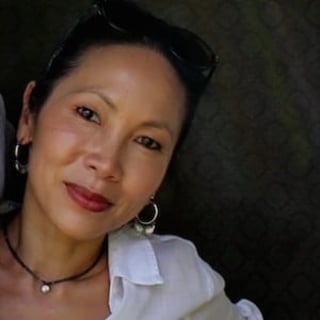
Architect Billie Tsien on identity, fear and doing Duolingo

Billie Tsien, founding partner of Tod Williams Billie Tsien Architects, tells of designing the Asia Society Hong Kong Centre and the Obama Presidential Centre.

I’M A FIRST-GENERATION Chinese-American. My parents left Shanghai in 1948 to go to grad school at Cornell. When I was born (in 1949), my grandfather gave me a Chinese name that my mother (a biochemist) said sounded like Billy. She didn’t like its meaning because it was too flowery, so she gave me a Chinese name that basically means “good money”, which is not very romantic. But to respect my grandfather’s wishes, she gave me the American name Billie, which is unusual even in America.

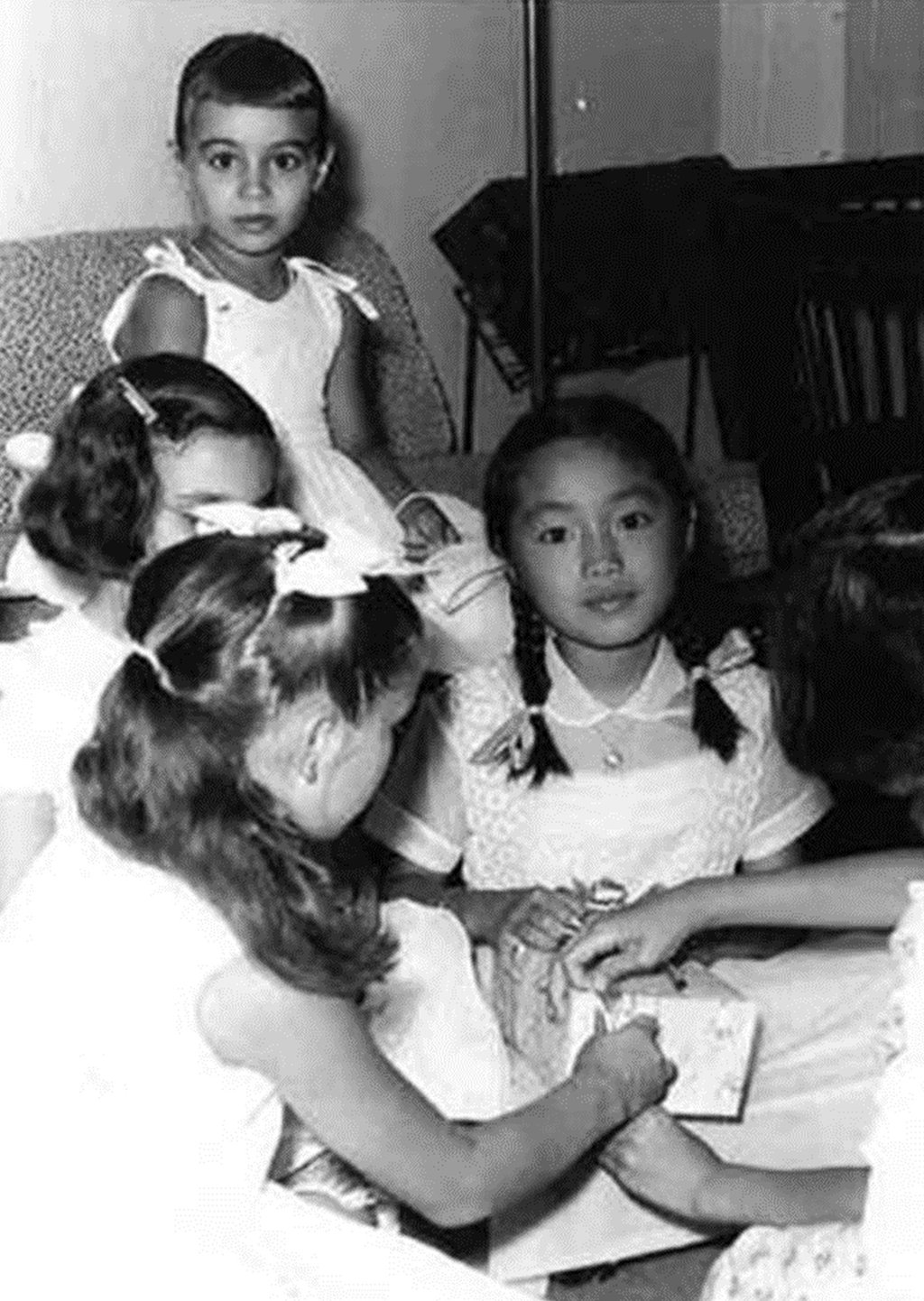
Billie Tsien (seated, centre) celebrating her ninth birthday in 1958. Photo: courtesy Billie Tsien

I GREW UP in a sort of white, middle-class suburb in New Jersey. I identified with being Jewish and became good friends with a writer named Gish Jen. She grew up in Scarsdale (New York state), which is a fancier neighbourhood than the one I grew up in, and she also identified as being Jewish. I would go with her to these Jewish youth group dances. I tried at the time to kind of blend in, but obviously, I wasn’t blending in. I think people just accepted the strangeness of my name.

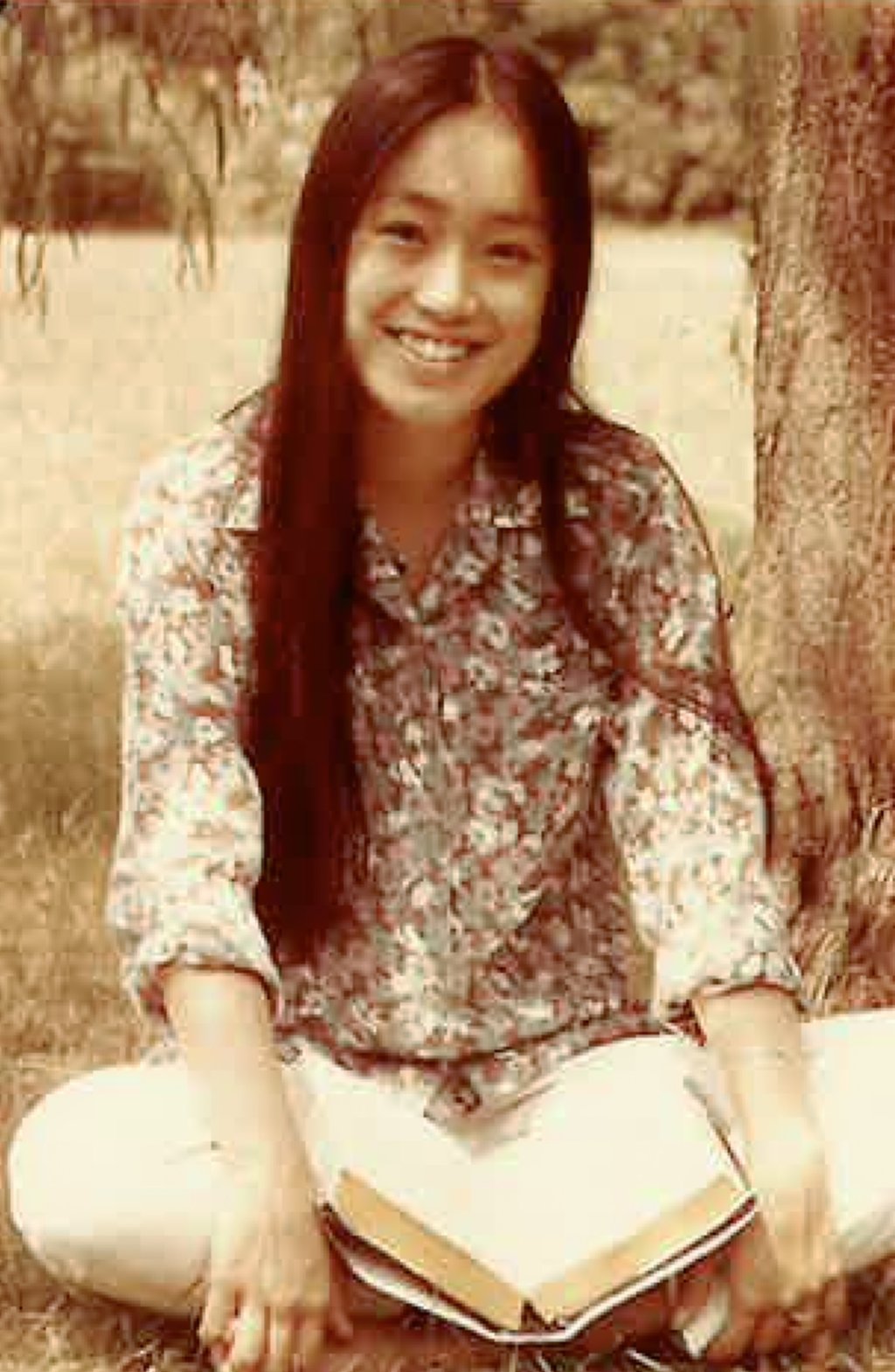
Billie Tsien at Yale University in 1970. Photo: courtesy Billie Tsien

WHEN I WAS trying to think of a name for my son, I got talking to my mother. I liked the Hawaiian word “kai, which is “the surface of the ocean”, and she said, “Oh, that’s something very unusual.” I thought she was telling me his name meant “something very unusual”. But then she said, “Why did you name him Kai?” It doesn’t mean “something very unusual. Tod Williams, co-founder of Tod Williams Billie Tsien Architects, had worse ideas for names. His idea was “Wrench, so against that, Kai sort of won.

Kai (now an industrial designer) grew up in the studio. We took him to construction sites. We took him travelling. He says that when he was at school, he would look under the table at how the table was made. His friends would say they didn’t understand what he was doing. He was really just expressing the way he grew up, which is that you look at things, you try to understand them. I think children of people who are in any way connected to design end up looking at the world in a different way than other children do.

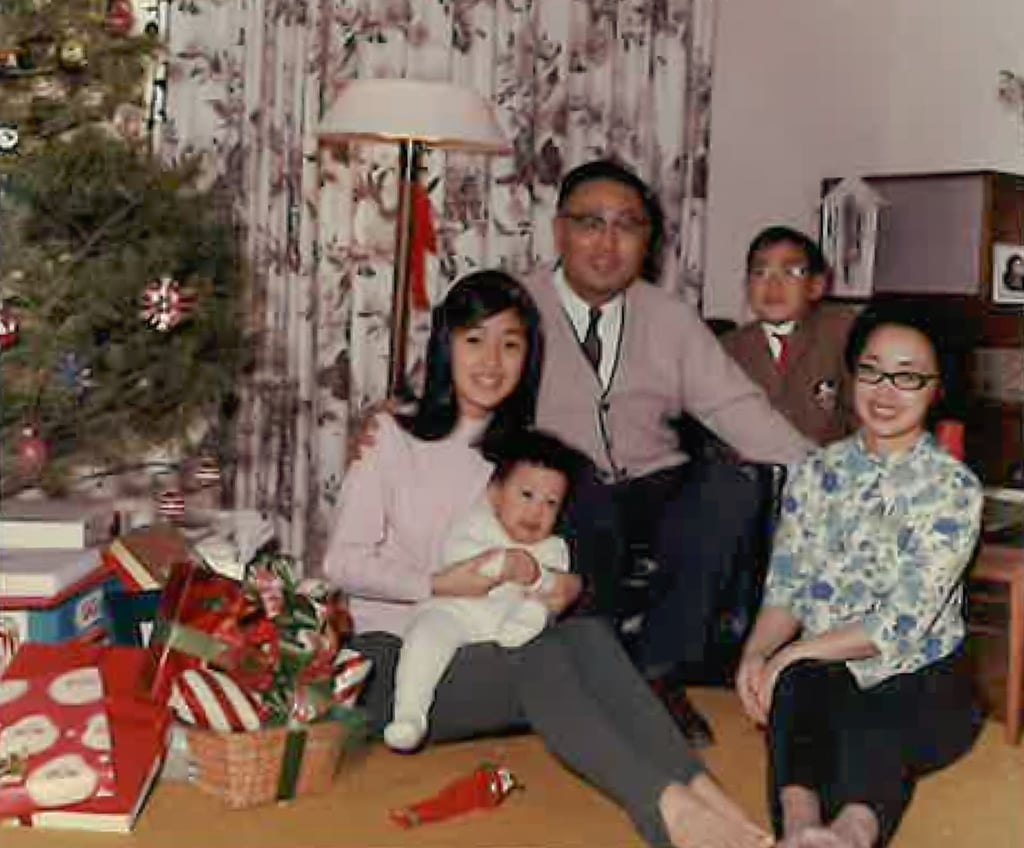
Celebrating Christmas with her father Hong Yuan, mother Wen Hui and brothers Frederick and baby David in 1964. Photo: courtesy Billie Tsien

IN MANY WAYS, psychologically, I’m very Chinese. I’ve learned to be less reticent because, in the kind of work that I do, I need to connect to people and be able to speak. But essentially, I’m more of an internal kind of person. When I get angry, I stay angry for a long time, but I become silent. I think of those things as somewhat Chinese. But culturally, I’m so American, and I have no cultural references that are Chinese. So I’m neither here nor there.

MY MOTHER DIED two and a half years ago, and I realized that that was my last physical family connection to China. I have two brothers, who were also born in the United States. None of us can speak Chinese, and so I started doing Duolingo. I’m under no illusion that I’m going to learn to speak Chinese from Duolingo, but every morning I touch base with thinking about my mother and thinking about what it is that connects me to being Chinese. I’m the oldest, and I always say that the oldest Chinese daughter is one of the most responsible people in the world. So I think my parents were confident that somehow or other I would figure out a way to be responsible. I’m starting my own studio – I’ve already begun (this year) – which is a little crazy at my age. It’s called Studio Tsien. I have two partners, we have four people working for us, and we have three new projects.

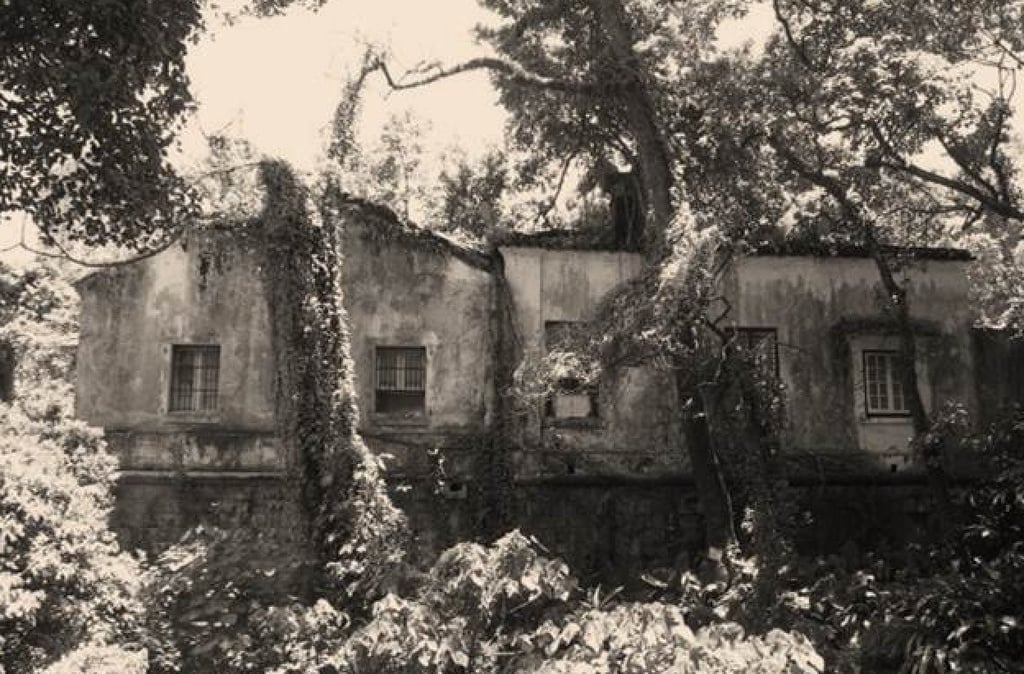
An undated photo of the explosives magazine site in Admiralty where the Asia Society Hong Kong Centre now stands. Photo: courtesy Asia Society Hong Kong Centre

MY SENSE OF architecture came from reading stories and imagining settings for stories. At school, you’d have a shoebox, and you’d make a little diorama. It was an unusual way of delving into architecture, because it wasn’t driven by a desire to draw a building or create a space. It was generated from reading a story and wanting to create a setting for the story to unfold. I didn’t understand architecture as a profession until I was in college and had a great architectural history professor named Vincent Scully. I suddenly started to see there was such a thing as architecture, where you had an intention about a building, and that intention was expressed through the building. After that, I went to architecture school at UCLA (University of California, Los Angeles). Having had an undergraduate degree in fine arts, I found architecture such a relief because it’s not a singular profession. It can’t be done by one person, unless it’s theoretical. It’s always collaborative.

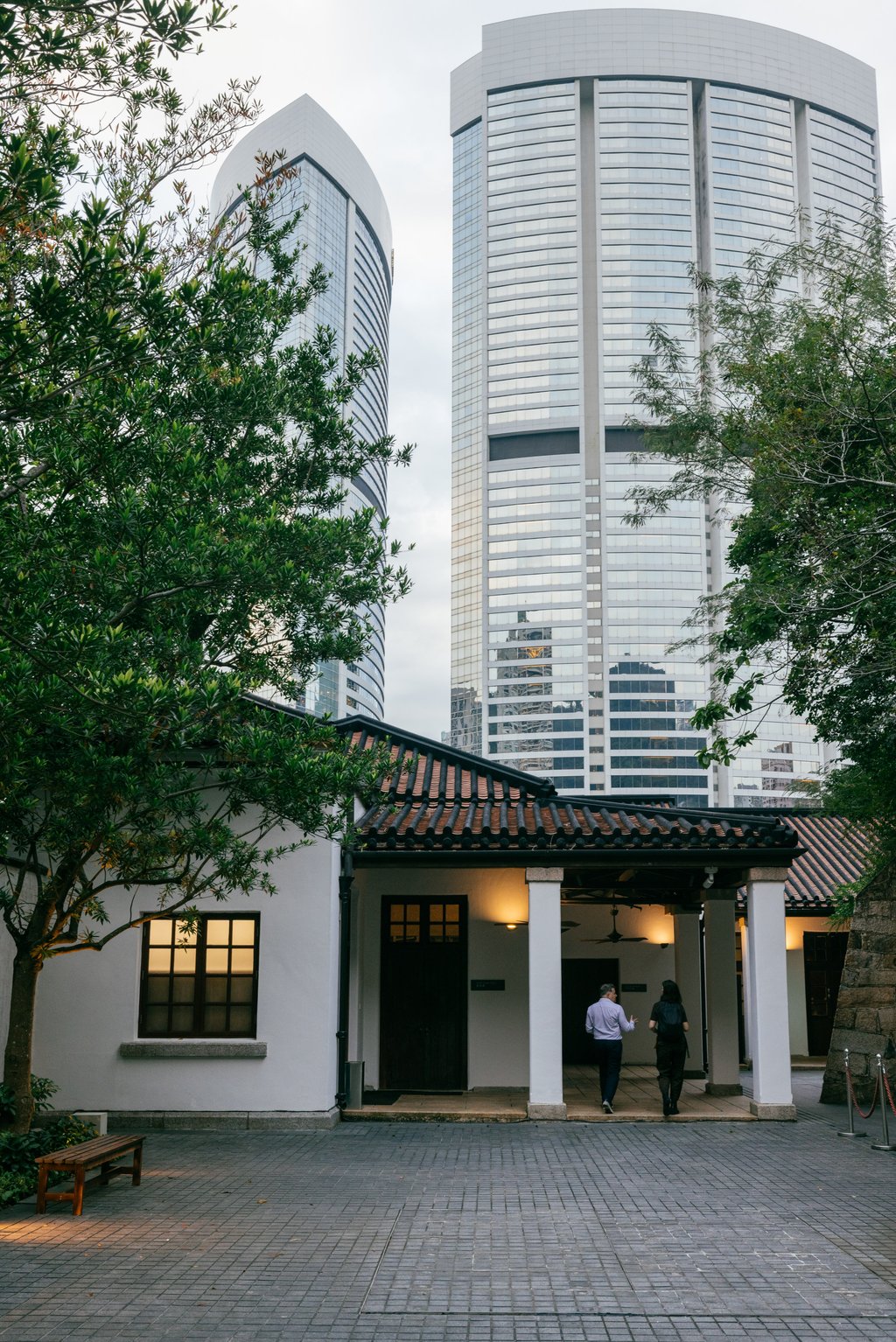
The Starr-Greenberg Building houses the Asia Society Hong Kong Centre’s administrative offices. Photo: Tracy Wong
DESIGN ALMOST ALWAYS happens by starting on the inside and working its way out. The building is never an object unto itself. It’s always a building in relationship to the site around it. Seeing the Asia Society building again (last month, in Admiralty) after a long time, I was sort of amazed. It’s a very complicated site, because there’s a channel of water that runs through it. It was a space that was really divided in half.
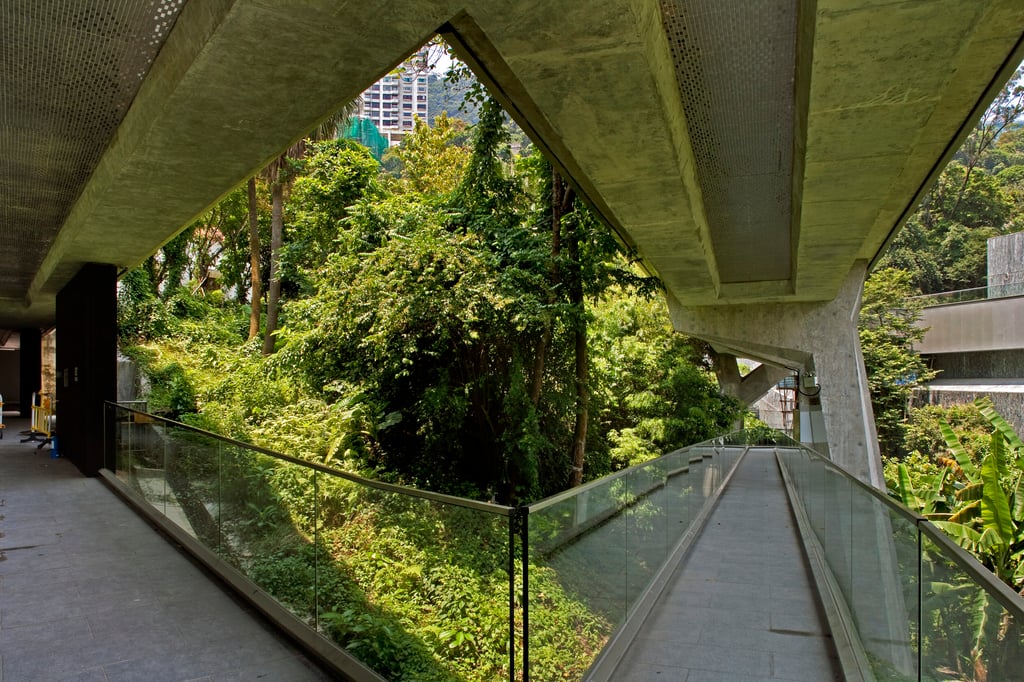
Walkways at the Asia Society Hong Kong Centre. Photo: courtesy Asia Society Hong Kong Centre

I remember the first time I saw it, I thought, “How can you ever build anything in the middle of this jungle?” Clearly there were people squatting there, and it felt scary. Not to mention all the huge mosquitoes flapping around. But it was such an incredible time because we found out that we won the competition (to design the centre) on 9/11, 2001. So it was both a career-defining project and a lifetime-defining moment simultaneously. Architects are always jumping into water that’s over our heads, and we just paddle as hard as we can. I look at some projects – and in particular the Asia Society building – and I’m amazed we made it to the other side.

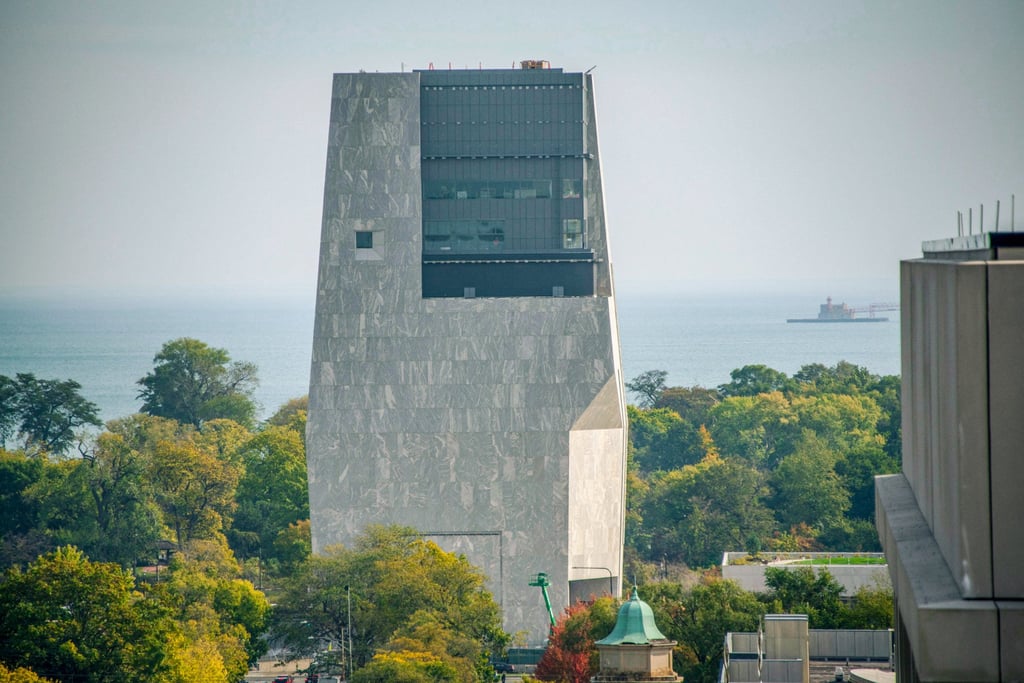
Chicago’s Obama Presidential Centre, designed by Tod Williams Billie Tsien Architects, is due to open next year. Photo: Shutterstock
MOST OF THE BUILDINGS we do are not big, shape-y things that call attention to themselves. The only one that’s a look-at-me building is the Obama Presidential Centre (in Chicago), and that’s because, in the end, it was about looking not only at him as a person, but his presidency and what it means. Our first design intentions were very, very subdued. The idea of making a building that feels thoughtful but subdued, but when you go inside you find complexity and interest, feels very connected to the sense of being Chinese. It is not about calling attention to yourself, but if one takes the time to know it, there are layers of meaning to be found.

PRIOR TO MAKING our proposal, we got to go to the Oval Office and meet the president and Mrs Obama, which was unbelievably thrilling. I remember going up to him and he gives you a big hug, and you’re sort of amazed. The things she said were very practical. And the things he said were probably somewhat more aspirational. But he talked about standing on the shoulders of others. He was a very involved, thoughtful client, and he had design ideas.

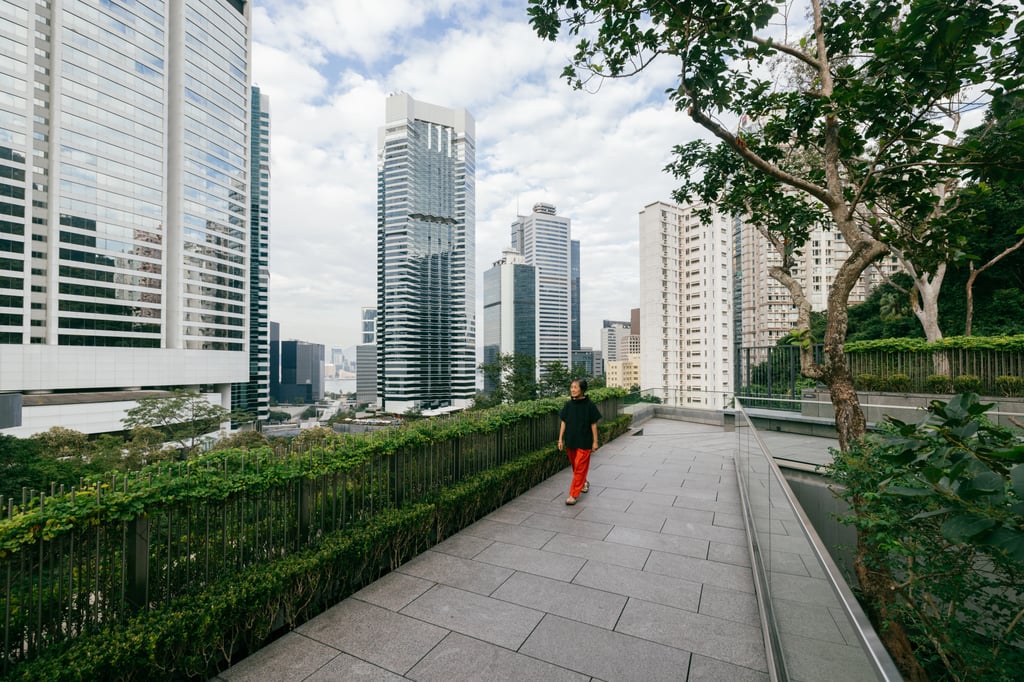
Architect Billie Tsien on the upper footbridge at the Asia Society Hong Kong Centre, nestled amid the city’s skyscrapers. Photo: Tracy Wong

This is a building that will be a lightning rod for many reasons. I think our other work in many ways flew under the radar, except if you’re interested in design or architecture, and so escaped public approval or public disapproval. This one will be visible. The architectural world is like 10 people in a circle patting each other on the back, but we do get to leave behind places that may have meaning to people. That’s an incredible gift.

This interview has been edited and condensed for clarity

(By South China Morning Post)

 Charmaine Chan
Charmaine Chan
Charmaine Chan has worked as a journalist in Australia, Japan and Hong Kong. She became the South China Morning Post's Design Editor in 2005, having been its Literary, Deputy Features and Behind The News editor. She covers architecture and interior design, and oversees the books pages. Charmaine is the author of Courtyard Living: Contemporary Houses of the Asia-Pacific (Thames & Hudson).
Disclaimer
Voices & Bridges publishes opinions like this from the community to encourage constructive discussion and debate on important issues. Views represented in the articles are the author’s and do not necessarily reflect the views of the V&B.